Orwell in Penguin Modern Classics

George Orwell (Author)
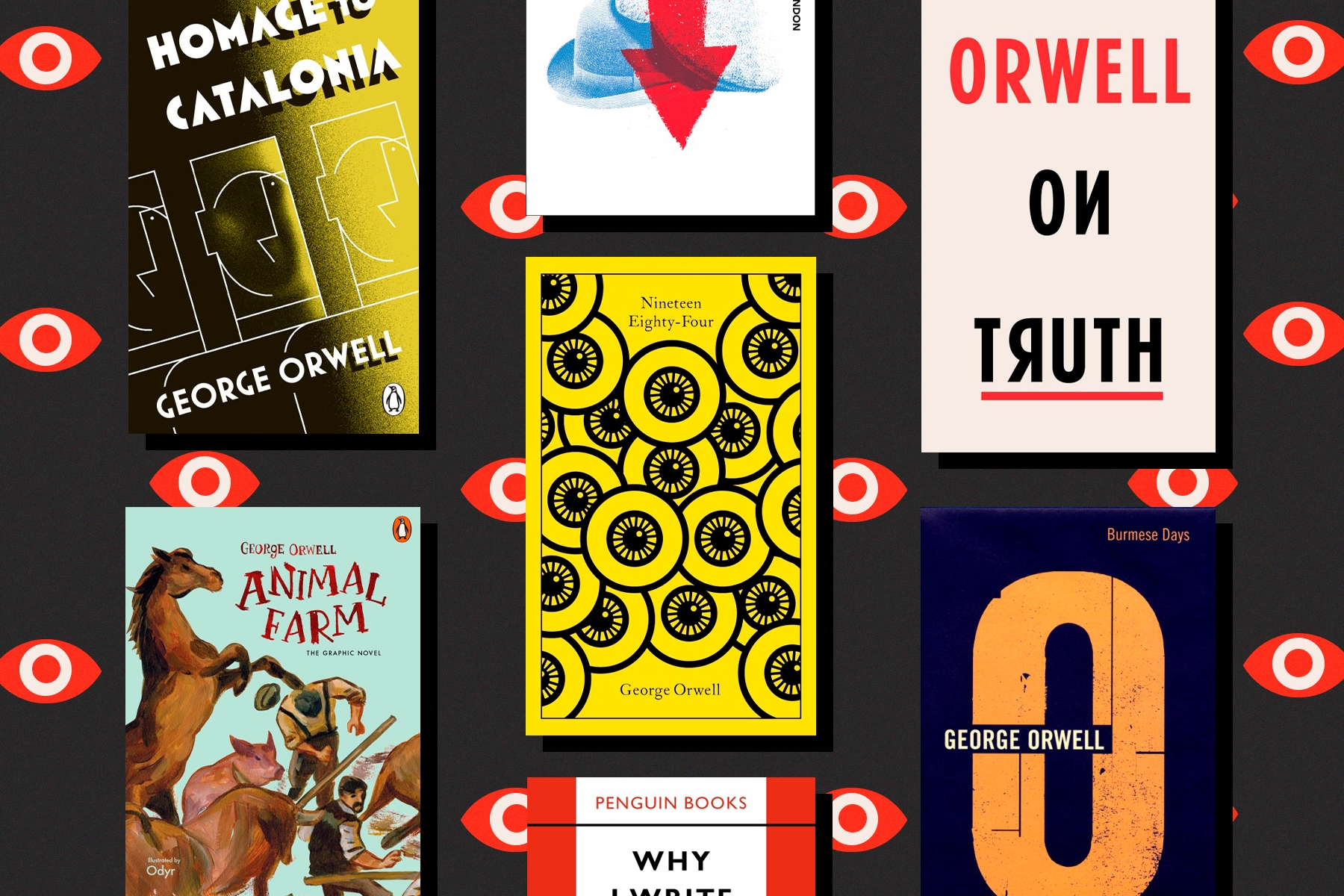
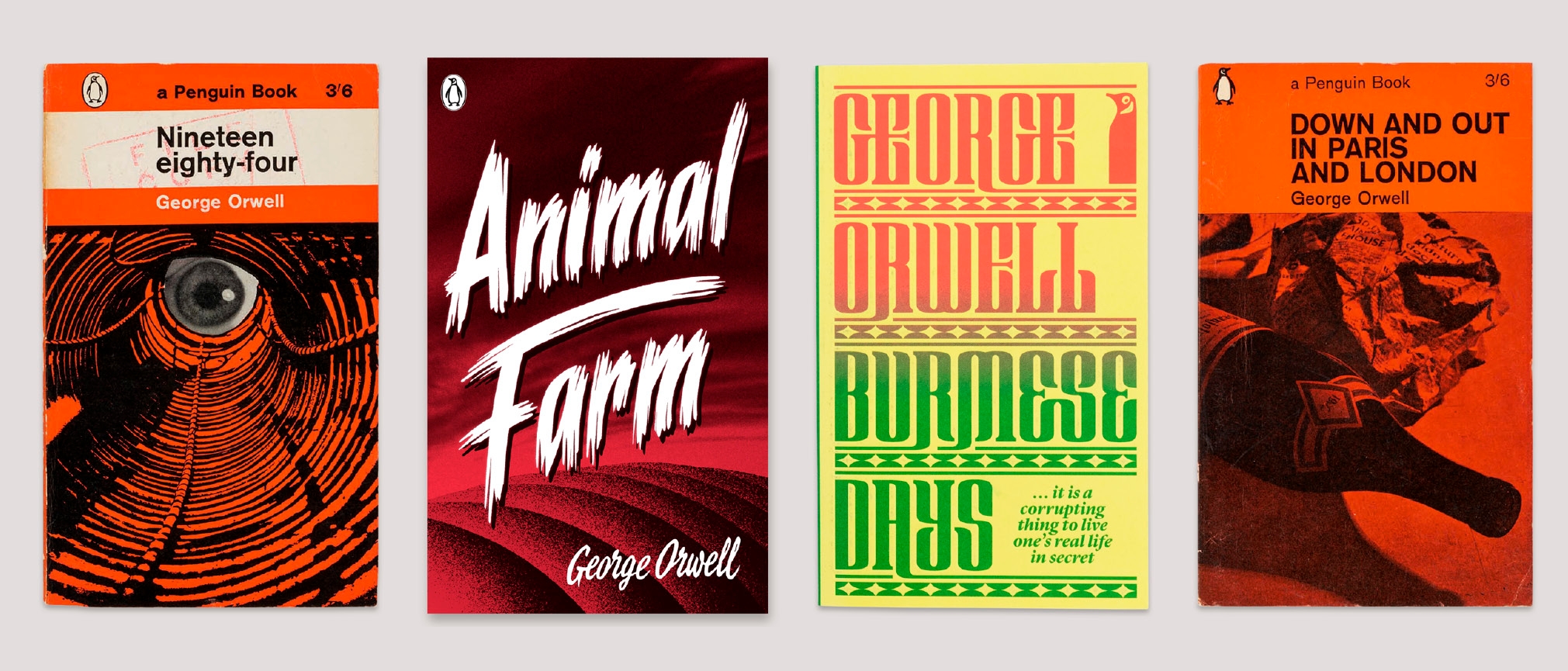
His best-known novels, Animal Farm and Nineteen Eighty-Four, are two of the most famous, well-quoted and influential political satires ever written. The other novels in this volume are also concerned with individuals at odds with repressive institutions: the corrupt imperialism of Burmese Days, disaffection with materialistic society in Keep the Aspidistra Flying, the perils of modern suburban living in Coming Up for Air and the down-and-out girls in A Clergyman's Daughter.
They all display Orwell's deep understanding of human nature, his biting humour and great compassion.

George Orwell (Author)
,
Robert Colls (Introducer)
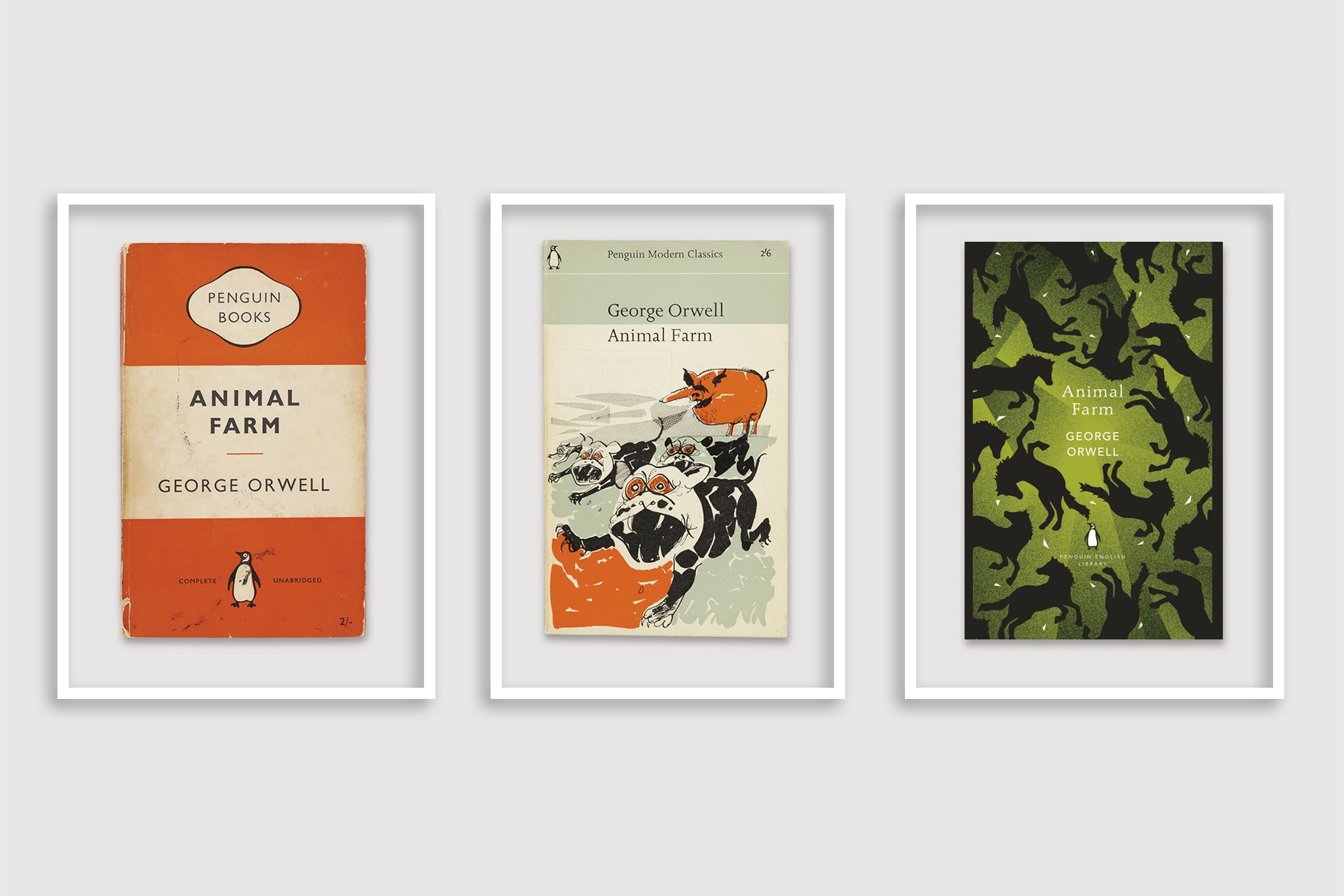
When the downtrodden animals of Manor Farm overthrow their master Mr Jones and take over the farm themselves, they imagine it is the beginning of a life of freedom and equality. But gradually a cunning, ruthless élite among them, masterminded by the pigs Napoleon and Snowball, starts to take control. Soon the other animals discover that they are not all as equal as they thought, and find themselves hopelessly ensnared as one form of tyranny is replaced with another. Orwell's chilling 'fairy story' is a timeless and devastating satire of idealism betrayed by power and corruption.

George Orwell (Author)
,
Thomas Pynchon (Introducer)
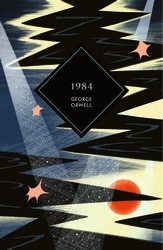
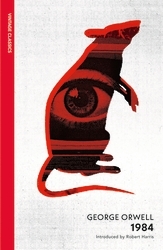
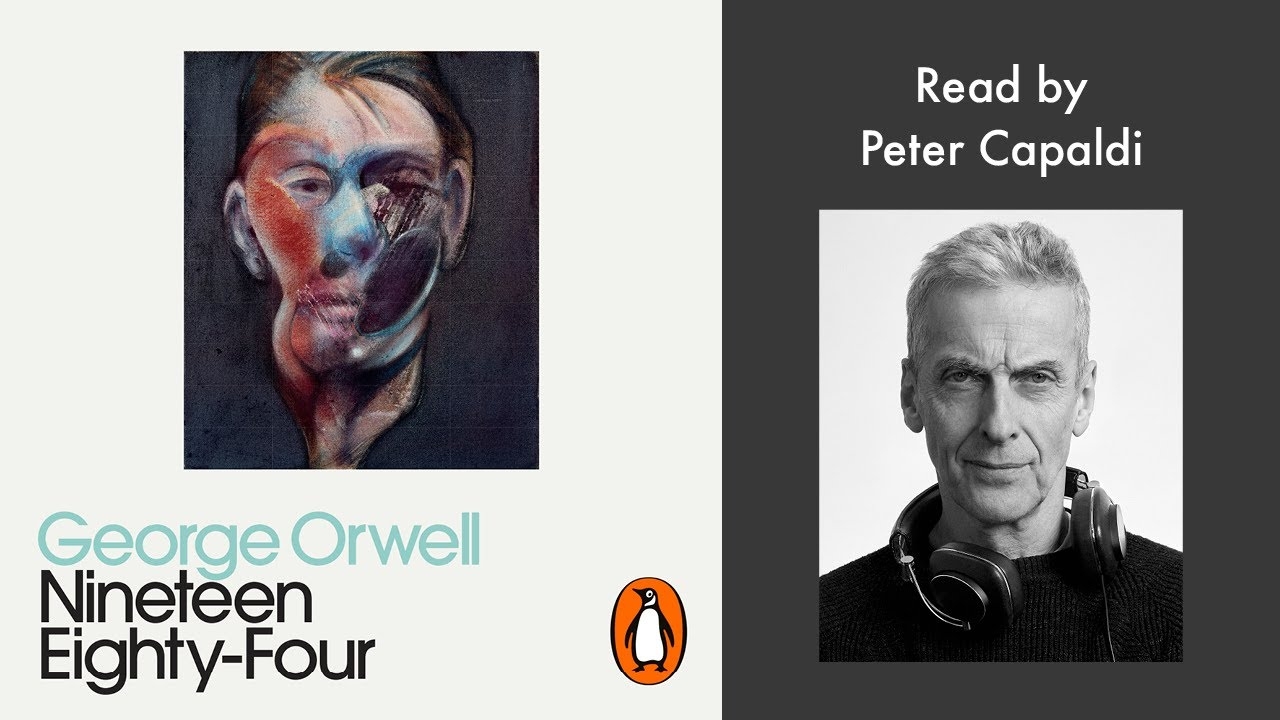
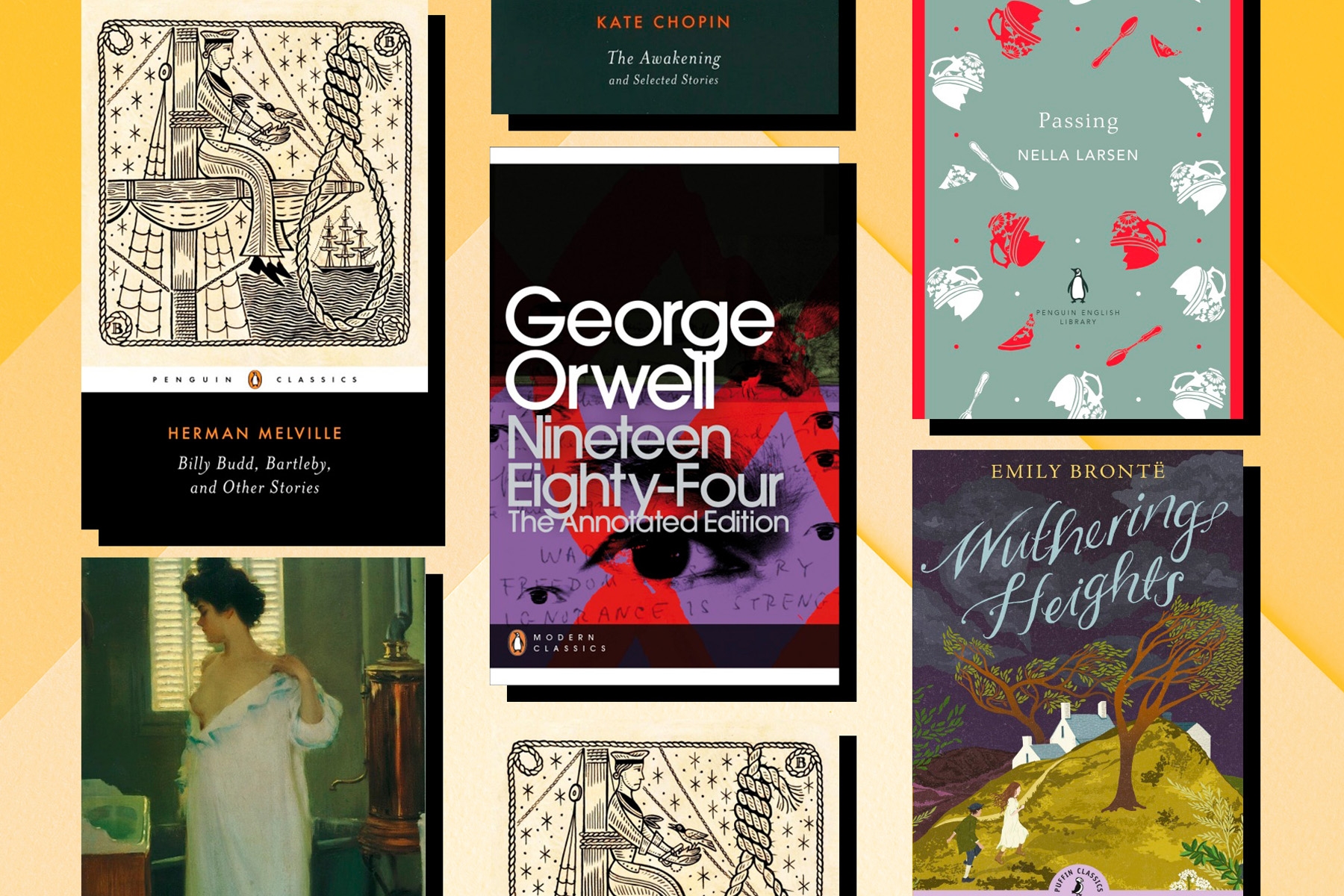
Hidden away in the Record Department of the sprawling Ministry of Truth, Winston Smith skilfully rewrites the past to suit the needs of the Party. Yet he inwardly rebels against the totalitarian world he lives in, which demands absolute obedience and controls him through the all-seeing telescreens and the watchful eye of Big Brother, symbolic head of the Party. In his longing for truth and liberty, Smith begins a secret love affair with a fellow-worker Julia, but soon discovers the true price of freedom is betrayal.

George Orwell (Author)
,
Emma Larkin (Introducer)
Set in the days of the Empire, with the British ruling in Burma, Burmese Days describes both indigenous corruption and Imperial bigotry, when 'after all, natives were natives - interesting, no doubt, but finally only a "subject" people, an inferior people with black faces'. Against the prevailing orthodoxy, Flory, a white timber merchant, befriends Dr Veraswami, a black enthusiast for Empire. The doctor needs help. U Po Kyin, Sub- divisional Magistrate of Kyauktada, is plotting his downfall. The only thing that can save him is European patronage: membership of the hitherto all-white Club. While Flory prevaricates, beautiful Elizabeth Lackersteen arrives in Upper Burma from Paris. At last, after years of 'solitary hell', romance and marriage appear to offer Flory an escape from the 'lie' of the 'pukka sahib pose'.

George Orwell (Author)
Years in insurance and marriage to the joyless Hilda have been no more than death in life to George Bowling. This and fear of another war take his mind back to the peace of his childhood in a small country town. But his return journey to Lower Binfield brings complete disillusionment.

George Orwell (Author)
Intimidated by her father, the rector of Knype Hill, Dorothy performs her submissive roles of dutiful daughter and bullied housekeeper. Her thoughts are taken up with the costumes she is making for the church school play, by the hopelessness of preaching to the poor and by debts she cannot pay in 1930s Depression England. Suddenly her routine shatters and Dorothy finds herself down and out in London. She is wearing silk stockings, has money in her pocket and cannot remember her name. Orwell leads us through a landscape of unemployment, poverty and hunger, where Dorothy's faith is challenged by a social reality that changes her life.