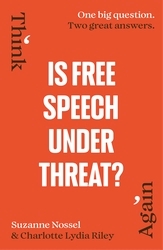
- Series: Think Again
- Imprint: Bodley Head
- ISBN: 9781847929389
- Length: 176 pages
- Dimensions: 243mm x 21mm x 143mm
- Weight: 284g
- Price: £16.99
Do We Have the Right to Die?
Format:
Buy the book from:
Two leading thinkers present alternative answers to one of the most difficult and divisive questions of our times.
As pressure grows to legalise assisted dying in the United Kingdom, the issue remains deeply contested. For those who feel unsure or undecided, this book offers clarity rather than slogans, illuminating the legal and ethical fault lines at the heart of the debate: between autonomy and safety; between personal choice and collective responsibility.
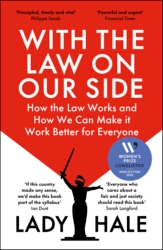
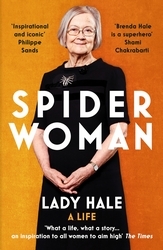
Lady Hale, former president of the Supreme Court, argues that everyone should have the freedom to decide the time and manner of their own death. Drawing on real cases in real courts, she explores how the law might establish effective safeguards while preserving an individual’s right to decide for themselves when their suffering becomes unbearable.
Rowan Williams, former Archbishop of Canterbury, sits in opposition, contending that no such right can ever be absolute, or unqualified. He raises moral and practical concerns about the protection of vulnerable communities – especially those living with disabilities – the pressures facing an already overstretched NHS and the risk that assisted dying could become a substitute for properly funded palliative care.
Both confront the questions and decisions we all must face: who should be eligible for assisted dying; how should it be authorised; who should deliver the programme; and what modern medicine could, and should, provide. Ultimately, they turn to a deeper challenge: how a public healthcare system can universally uphold dignity, and what it would truly mean to offer us all what we profoundly deserve – a good death.
Published in conjunction with Intelligence Squared, the world’s leading curator of debate, this book is part of the Think Again series: short books that present two expert, contrasting but equally persuasive views in a single volume.
As pressure grows to legalise assisted dying in the United Kingdom, the issue remains deeply contested. For those who feel unsure or undecided, this book offers clarity rather than slogans, illuminating the legal and ethical fault lines at the heart of the debate: between autonomy and safety; between personal choice and collective responsibility.
Lady Hale, former president of the Supreme Court, argues that everyone should have the freedom to decide the time and manner of their own death. Drawing on real cases in real courts, she explores how the law might establish effective safeguards while preserving an individual’s right to decide for themselves when their suffering becomes unbearable.
Rowan Williams, former Archbishop of Canterbury, sits in opposition, contending that no such right can ever be absolute, or unqualified. He raises moral and practical concerns about the protection of vulnerable communities – especially those living with disabilities – the pressures facing an already overstretched NHS and the risk that assisted dying could become a substitute for properly funded palliative care.
Both confront the questions and decisions we all must face: who should be eligible for assisted dying; how should it be authorised; who should deliver the programme; and what modern medicine could, and should, provide. Ultimately, they turn to a deeper challenge: how a public healthcare system can universally uphold dignity, and what it would truly mean to offer us all what we profoundly deserve – a good death.
Published in conjunction with Intelligence Squared, the world’s leading curator of debate, this book is part of the Think Again series: short books that present two expert, contrasting but equally persuasive views in a single volume.
Details
All editions
- Hardback 2026
- Ebook 2026