Everyman's Library CLASSICS
242 books in this series
The finest editions available of the world's greatest classics from Homer to Achebe, Tolstoy to Ishiguro, Proust to Pullman, printed on a fine acid-free, cream-wove paper that will not discolour with age, with sewn, full cloth bindings and silk ribbon markers, and at remarkably low prices. All books include substantial introductions by major scholars and contemporary writers, and comparative chronologies of literary and historical context.
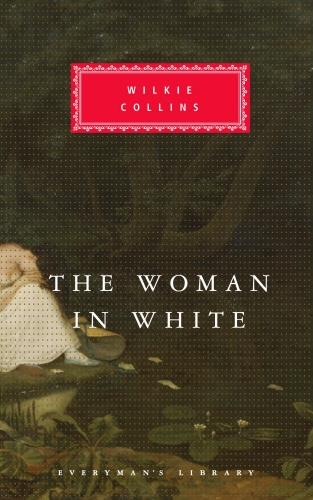
The Woman In White
'In one moment, every drop of blood in my body was brought to a stop .. There, as if it had that moment sprung out of the earth .. stood the figure of a solitary Woman, dressed from head to foot in white'
The Woman in White famously opens with Walter Hartright's eerie encounter on a moonlit London road. Engaged as a drawing master to the beautiful Laura Fairlie, Walter is drawn into the sinister intrigues of Sir Percival Glyde and his 'charming' friend Count Fosco, who has a taste for white mice, vanilla bonbons and poison. Pursuing questions of identity and insanity along the paths and corridors of English country houses and the madhouse, The Woman in White is the first and most influential of the Victorian genre that combined Gothic horror with psychological realism.
The Woman in White famously opens with Walter Hartright's eerie encounter on a moonlit London road. Engaged as a drawing master to the beautiful Laura Fairlie, Walter is drawn into the sinister intrigues of Sir Percival Glyde and his 'charming' friend Count Fosco, who has a taste for white mice, vanilla bonbons and poison. Pursuing questions of identity and insanity along the paths and corridors of English country houses and the madhouse, The Woman in White is the first and most influential of the Victorian genre that combined Gothic horror with psychological realism.
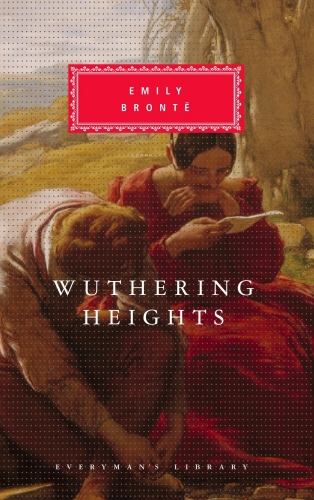
Wuthering Heights
Gothic, ghostly and glorious. Emily Brontë's tragic novel about the all-consuming, destructive love between the passionate Catherine Earnshaw and the brooding Heathcliff, set against the wild Yorkshire moors; after Catherine marries for social status, Heathcliff returns seeking brutal revenge on everyone who wronged them, leading to cycles of abuse, obsession, and intertwined family feuds across generations at the estates of Wuthering Heights and Thrushcross Grange, ultimately exploring themes of love, class, revenge, and the supernatural.